
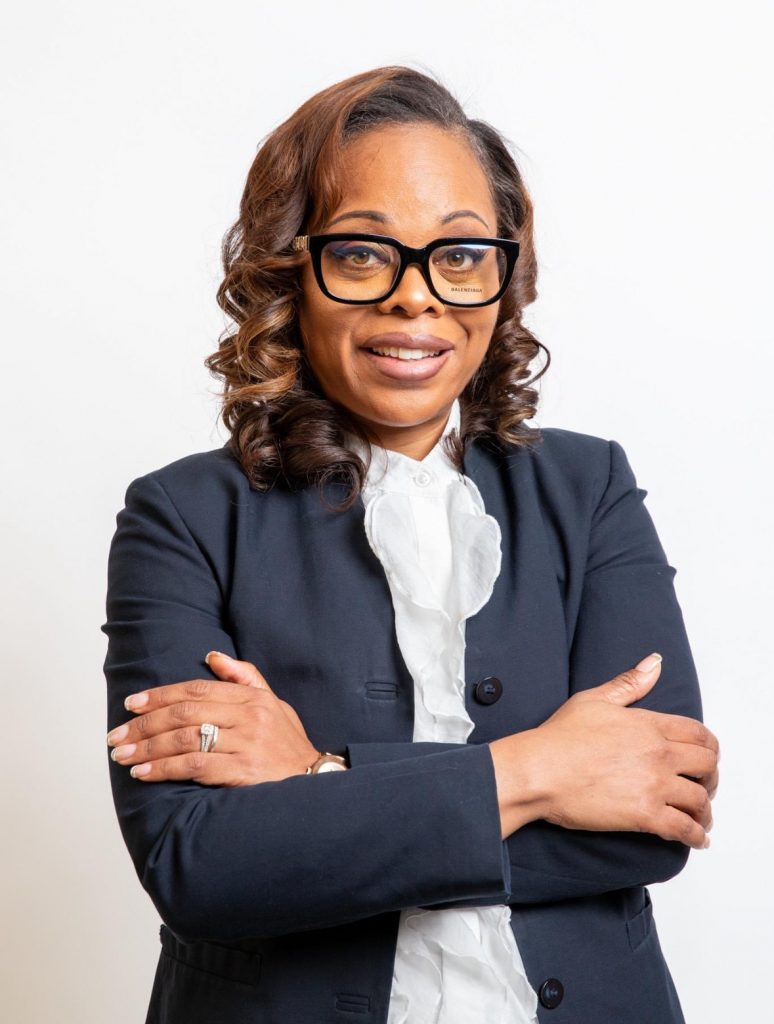
Masica Jordan-Alston, EdD
Dr. Masica Jordan-Alston is a nationally recognized behavioral health strategist, cultural responsiveness expert, TEDx speaker, and ordained minister whose two-decade career has reshaped how America trains, deploys, and supports its peer recovery workforce. A licensed clinical professional counselor (LCPC), registered peer supervisor (RPS), and certified peer recovery specialist (CPRS), she operates at the intersection of clinical practice, systems change, and community-centered healing. Dr. Jordan-Alston holds a Bachelor of Science in Sociology (2003), a Master of Arts in Counseling Psychology (2005), and a Doctorate of Education in Counseling/Psychology (2010), all earned from Bowie State University, a historically Black university in the University System of Maryland. In 2022, she completed a Participatory Design and Applications certificate program at the Massachusetts Institute of Technology (MIT). She serves as a tenured Associate Professor at Bowie State University and Associate Director of the Ujima Center for School Counseling Scholars, where she has taught multicultural counseling in collegiate settings for more than a decade. As founder of Jordan Peer Recovery, Chairperson of Genesis Wellness Solutions, CEO of the Jordan-Alston Center for Education, Health & Innovation (JACE), and Co-Founder of Black Wall Street AVL, she leads a portfolio of organizations advancing community behavioral health, faith-integrated care, BIPOC entrepreneurship, and workforce development through a U.S. Department of Labor-registered apprenticeship model. She previously served as Executive Director of Organizational Excellence for Volunteers of America Chesapeake and Carolinas. A sought-after voice in national media, Dr. Jordan-Alston was interviewed by CNN’s Lisa Ling on her work promoting economic opportunity and entrepreneurship in marginalized communities. She has appeared on Roland Martin’s national platform, FOX media, and prominent Washington, D.C. television and news programs. She has been on featured on platforms like, Time Magazine, Black Enterprise, and the Washington Informer. Dr. Jordan-Alston is one of the nation’s foremost subject matter experts on cultural responsiveness and trauma-informed care. She created the ASK Cultural Development Model, a proprietary framework implemented in agencies across the United States serving peer recovery specialists and behavioral health professionals. She serves as a Board Member of Maryland’s Adverse Childhood Experiences (ACEs) Initiative Advisory Committee for Behavioral Health Systems. Her clinical and theoretical contributions include the Energy Model of Cumulative Grief (2018), the Genesis Counseling Model, and the Purpose-Driven Equation™. Her national impact has earned top-tier recognition. Jordan Peer Recovery was selected as a semifinalist in the SAMHSA Recovery Innovation Challenge, placing in the top 10% of recovery innovation models in America in recognition of its culturally responsive approach and proprietary technology. Dr. Jordan-Alston was also honored through the Truist Foundation Inspire Award via MIT Solve, a competitive national prize identifying the most innovative workforce and economic mobility solutions in the country. She is a published author and an MIT Solve alumna. On the frontline of the opioid crisis, Dr. Jordan-Alston delivered expert testimony to the U.S. Government Accountability Office (GAO) in 2019 on peer recovery and emerging technologies. Jordan Peer Recovery has received multiple awards from the Maryland Department of Labor and served as a sub-awardee for the U.S. Department of Health and Human Services Health Resources and Services Administration (HRSA) and the Baltimore Population Health Workforce Collaborative, collectively training close to 5,000 peer recovery specialists deployed across the nation. Dr. Jordan-Alston has presented on international platforms addressing race relations, structural inequity, and cultural responsiveness in behavioral health. Her faith-integrated approach to healing is grounded in her call as an ordained minister and reflected across every dimension of her clinical, academic, and organizational work.


